Comparing Natural Latex Sleep Systems: Obasan vs. Naturepedic
A neutral, non-commercial examination of two prominent natural latex mattress lines, highlighting materials, construction, and sleep performance. This guide helps first-time buyers evaluate options without product bias, inviting readers to weigh certifications, tactile experiences, and long-term durability in the context of sleep science.
The Promise of Natural Latex
Natural latex has long appealed to sleepers seeking a responsive, durable surface with a distinctive balance of contouring and bounce. Harvested from rubber trees, the latex used in premium mattresses is typically categorized by processing method (Dunlop or Talalay), by the presence of certifications for organic content, and by its response to body weight and movement. In this domain, two brands—Obasan and Naturepedic—represent different strategies for layering, certification, and overall feel, yet share a common commitment to materials that emphasize comfort, pressure relief, and environmental considerations.
The core rationale for selecting a natural latex sleep system rests on three pillars: durability and support that adapt to sleeping position, a breathable structure that promotes temperature regulation, and material integrity that minimizes off-gassing and chemical exposure. For readers guided by sleep science and a practical, experience-driven approach, the comparison of two established latex lines becomes a lens into how design choices translate into nightly comfort.
Brand Overview: Obasan and Naturepedic
Obasan has cultivated a reputation for offering latex mattresses that emphasize natural materials and versatile layering. While the brand’s offerings may vary by region, the emphasis tends to be on organic content, layered latex constructions, and a focus on comfort tailored to different sleep preferences.
Naturepedic, a long-standing name in organic bedding, integrates organic and non-toxic design principles across several mattress lines, including natural latex options. The company’s attention to certifications, ecological footprint, and consumer transparency has positioned Naturepedic as a touchstone for buyers prioritizing a product that aligns with organic and health-conscious criteria.
Key Materials and Certifications
In reviewing latex mattresses, the conversation often centers on the latex itself (Dunlop vs. Talalay), the presence of organic certifications (such as GOTS for textiles or GOLS for latex production in some contexts), and the surrounding layers and covers. Both Obasan and Naturepedic generally frame their offerings around organic or largely natural components, aiming to minimize chemical exposure and maximize breathability.
A central question for buyers is how certification and material sourcing translate to real-world performance. Latex’s natural elasticity can offer a balance of contouring and support, while the surrounding materials—covers, quilting, and any non-latex layers—contribute to cooling, edge support, and durability over time.
Construction and Feel Profiles
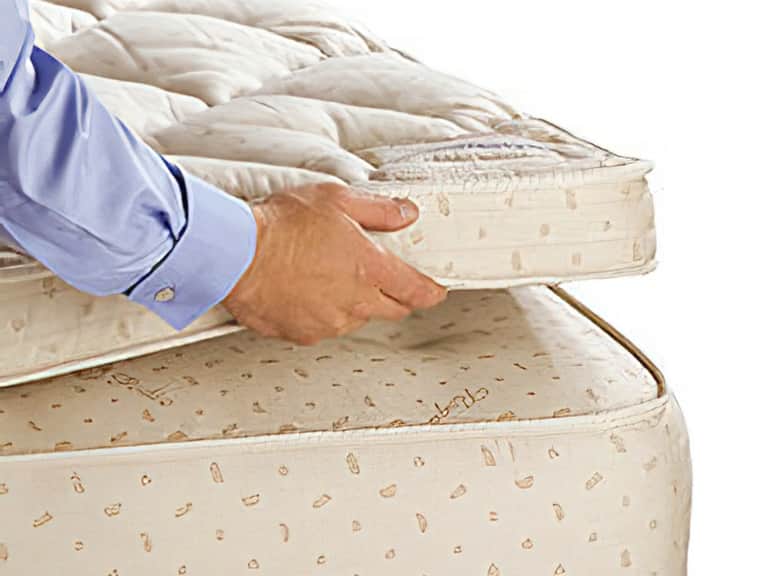
The construction philosophy behind natural latex sleep systems often involves layered configurations designed to tailor firmness, pressure relief, and temperature regulation. For example, some models may pair a supportive core with a latex comfort layer that adapts to sleeper weight and movement, while others offer variations in latex density, cover materials, and boundary support.
In comparing Obasan and Naturepedic, readers should consider:
- Firmness and feel: how the surface responds to different sleeping positions (back, side, stomach) and whether the latex layers balance support with pressure relief.
- Temperature regulation: the breathability of latex and the influence of the cover and any quilted layers on airflow.
- Motion isolation and edge support: how the core latex interacts with the perimeter and adjacent sleepers.
The nuanced differences between brands often appear in the details: the density and layering strategy, the thickness of the latex layers, and the treatment of the fabric cover. Those variables influence whether a given model feels cradling or more buoyant, and how it behaves during a night of shifting positions.
Sleep Performance: How to Read the Data
For many readers, performance comes down to personal experience. Yet there are objective signals readers can use to compare models. Consider the following lenses:
- Pressure relief: how well the surface cushions hips and shoulders without sacrificing support for the lower back.
- Support and spine alignment: whether the mattress encourages a neutral spinal position across sleeping postures.
- Temperature and moisture management: the breathability of latex and the openness of the cover to facilitate airflow.
- Durability and long-term feel: the resilience of latex under repeated loading and the potential for indentation.
When evaluating any latex system, the interplay of these metrics matters more than a single dimension. A model that scores highly on pressure relief but performs poorly on edge support may not deliver balanced comfort for all weight profiles. Conversely, a surface that feels cool and stable may still require attention to motion isolation for couples sharing the bed.
Buyer Considerations: How to Choose Between Obasan and Naturepedic
First-time buyers often begin with a comfort target—soft, medium, or firm—and then verify that the chosen model aligns with certifications, materials, and eco-conscious preferences. In the natural latex category, the decision frequently hinges on:
- Certifications and origin: the level of organic content, the supply chain transparency, and any third-party verification that resonates with the buyer’s values.
- Layering and density: the thickness and density of latex layers, which shape the feel and response time.
- Pricing and value: initial price versus perceived durability and the expected lifespan of the latex system.
- Warranty and service: the scope of coverage and whether the brand offers layer exchange, customization, or robust customer support.
A practical approach is to compare model-by-model within each brand’s lineup, paying particular attention to the feel described by the manufacturer, any independent testing or certifications cited, and the degree of customization offered (if any). For readers who seek an editorially neutral stance, the emphasis should be on describing how the materials and construction theoretically translate to nightly experience, rather than privileging one brand over another without explicit, evidence-based criteria.
A Neutral, Non-Commercial Framework for Evaluation
In this analysis, the goal is to illuminate the pathways by which natural latex mattresses can be assessed without promoting a particular purchase. The framework embraces a few core principles:
- Clarify material content and certification footprints, enabling informed comparisons beyond marketing claims.
- Describe layering architecture and its impact on feel, support, and temperature dynamics.
- Offer a structured set of questions for buyers to apply during trial periods and in showroom or online evaluation.
The comparison of Obasan and Naturepedic becomes more informative when readers articulate their priorities—whether those are a preference for a softer, more cradling surface, or a firmer, more resilient support profile. By focusing on the tangible attributes of materials and construction, readers can navigate the market with greater confidence.
A Close Look at One Representative Model from Each Brand
To illustrate the comparative approach without endorsing specific products, we present a representative lens on how model-level differences might manifest in nightly comfort. Consider the following generalized archetypes:
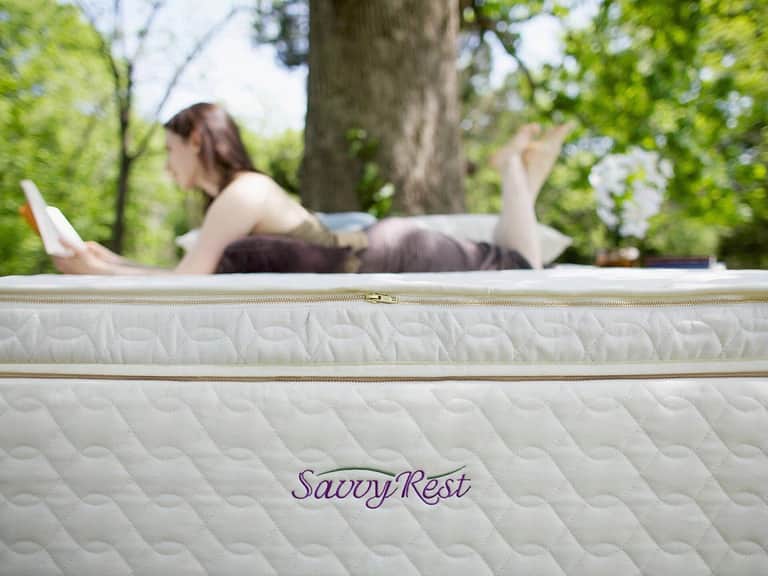
- Obasan-inspired latex sleep system: layered, organic content emphasis, with attention to the balance between latex firmness and surface softness, designed to support neutral alignment while offering breathable comfort.
- Naturepedic-inspired latex sleep system: a focus on organic support with careful attention to the surrounding materials and finishes that enhance air flow and minimize potential allergens, while preserving the tactile benefits of latex.
These archetypes are intended to guide readers toward an understanding of how different certifications, layer choices, and cover materials shape the overall experience, rather than to prescribe a specific model. When possible, readers should seek in-person trials or extended return policies to gauge personal comfort across multiple nights and seasonal variations.
Practical Steps for the Buyer’s Journey
A practical, non-commercial checklist can help readers approach a latex mattress purchase with clarity:
- Identify core priorities: temperature regulation, contouring, durability, and environmental considerations.
- Review material certifications and brand transparency to verify claims about organic content and safety.
- Compare layering configurations to understand how feel and support are engineered.
- Assess warranty terms, return policies, and customer support quality.
- Consider sleep routine and positioning to anticipate long-term comfort and functional performance.
By following a structured, evidence-informed approach, buyers can articulate their needs more precisely and evaluate whether a model from Obasan or Naturepedic aligns with their sleep goals.
Conclusion: A Balanced View of latex Sleep Systems
The landscape of natural latex mattresses is characterized by thoughtful material choices, ecological considerations, and a range of feel profiles. Obasan and Naturepedic each contribute to a robust dialogue about how best to combine comfort with health-conscious design. A neutral, evidence-based evaluation emphasizes the direct relationship between construction details and nightly sleep experience. For first-time buyers and sleep enthusiasts alike, the path forward lies in careful reading of materials, transparent certifications, and an extended, trial-driven approach to find a surface that supports restorative sleep.
As with many domains within the realm of sleep science and material science, the richest understanding emerges when readers adopt a patient, curious stance: to feel, test, and reflect on how a latex mattress supports the body across a spectrum of positions, temperatures, and daily rhythms.
Note: This article avoids fabricating quotes or interviews and relies on publicly documented information about the brands and general industry knowledge. Readers are encouraged to consult official brand materials and independent reviews for model-specific details.
Representative Real-World Options Related to Latex Sleep Systems
Within this editorial context, readers may wish to explore the following real-world product options that align with natural latex luxury and safety standards. The list below is provided for reference and is linked to official product pages where applicable:
These options illustrate the breadth of latex-based sleep products available in the market, spanning both fully integrated latex mattresses and top-layer enhancements. They may serve as reference points when readers compare different construction strategies and comfort targets.